


Cutting and fixing skirting board is a little more trickier than it first appears as it is not simply a matter of cutting mitres to the correct angle, instead another method is used. Skirting boards are there to hide the gap between the floor and the plaster and prevent impact damage to the plaster. Skirting comes in hundreds of different profiles and depths from 3 inch to over 12 inches. The deeper the skirting board is the more difficult it is to cut as anything above 8 inches cannot be mitred in a regular mitre saw as it will not fit. Deep skirting boards so not look to good in rooms with low ceilings either!
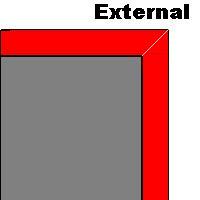
External corners can and should be mitred as this is the best method, but for Internal corners a different technique is normally used.
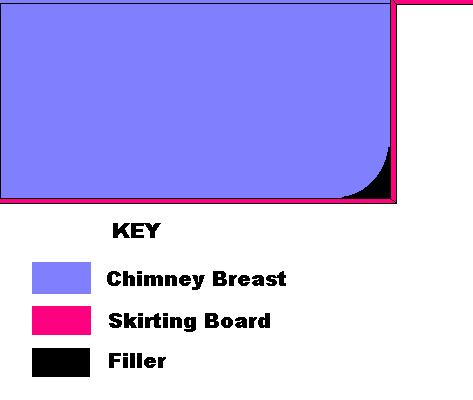
Most of the corners in a room are internal unless there is a chimney breast or similar in the room in which case there will be external corners as well. These require cutting with a mitre saw normally at 45 degrees. In older houses especially you will find that the corners of the chimney breast have been rounded off with wooden beading, this is common practice. Obviously you cannot do anything with such a corner apart from mitre it square and then fill the small gap that is left with some filler. I have exaggerated the problem here for clarity.

You can use a off cut and scribe the line on the reverse of the board, if this makes it easier
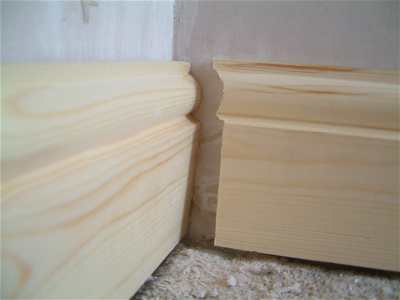
Carefully cut the skirting board using a coping saw.
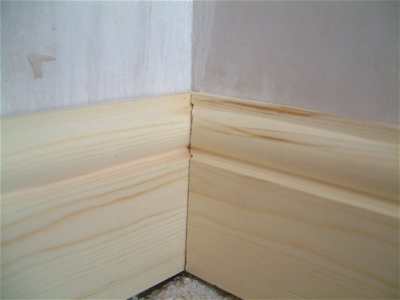
To fasten the skirting to the wall a grab adhesive is best especially if you intend to stain or varnish the boards. If you are fastening to a stud partition wall you can simply nail the skirting to the stud work or if it is a brick wall you can knock wooden wedges into the gaps between the bricks and then nail into the wedges.
