


Cement is the basic ingredient in concrete and mortar mixes, modern cement was developed by a French man (Louis Vicat) in the early 19th century. The Romans had used a basic form of cement thousands of years before. Cement is now the second most consumed product in the world after water!
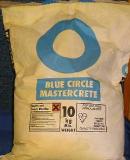
Cement
Sand
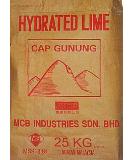
Hydrated lime
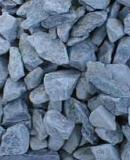
Gravel
Mortar and concrete require mixing in the correct quantities by volume. This is relatively easy as all you need to do is find a suitable container. Buckets are great for this but it is a good idea to have a separate bucket for the cement as it soon sucks the moisture from the sand and sticks to the bucket. Below I will give the correct ratios of ingredients, measured in units. It doesn't matter what a unit is as long as all the units are the same size by volume.
| To Make- | Cement | Sand | Hydrated lime | Gravel |
| Concrete | 1 Unit | 2 Units | 3 units | |
| Strong and Most Durable Mortar Mix | 1 Unit | 4 Units | 1/4 Of 1 Unit | |
| Reasonably durable Mortar Mix | 1 Unit | 5 Units | 1 Unit | |
| Weak mix suitable for calcium silicate bricks | 1 Unit | 8 Units | 2 Units |
Mortar or concrete can be mixed by hand using a suitable spade, but it is hard work and a cement mixer makes it far easier.
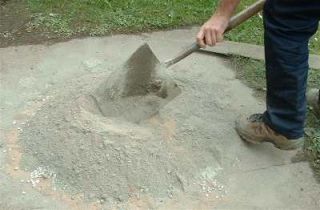
Mixing cement by hand
Please see our video on how to mix cement by hand-
