


Routing a cable is probably far more difficult and time consuming than you would expect. There are Many rules and regulations regarding electricity and they are there for your protection.
Permitted wiring zones are there to ensure that cables are not routed in walls in such a way that they could present a danger to someone that is for example fixing to the wall.
| Before working on any electrical circuit you must ensure that it is isolated correctly and cannot accidentally be switched back on. Please read the article on safe isolation procedures before doing any electrical work. If you are not 100% certain what you are doing call a qualified electrician. Building regulations are changing all the time and modifying your home electrics could be against new rules and could invalidate your home insurance, if in doubt check first! |
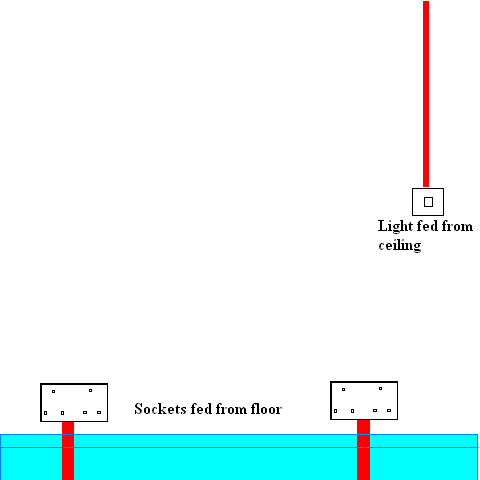
Your home will be wired in a certain way depending on whether you have solid or Wood floors. It is easy to get wires beneath a wood floor but Impossible to get them under a concrete floor, you could of course dig a channel but it would be far easier to feed from above as it is not very likely that you will have a solid floor on the first Floor!
This picture shows a typical arrangement, the lights are fed from the ceiling and the sockets from the floor, this is the easiest and most logical way to wire a house.
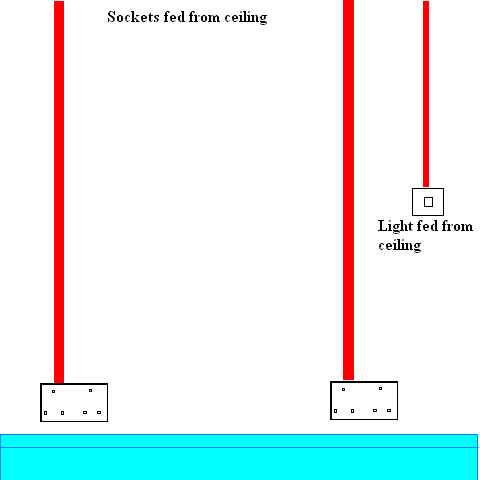
This type of arrangement would be seen in a house with a solid floor, both sockets and lights are fed from the ceiling. It is good practice to plan the route for your wires like the two examples above, where they either fall or rise from the floor or ceiling.
The latest requirements for running cables is below-
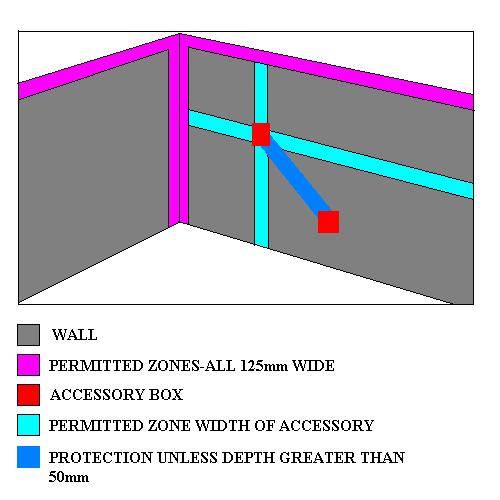
You can see where it is permitted to run the cables in these zones, all wires are run either horizontally or vertically without protection from above, below and to both sides of the accessory box. The accessory box that is diagonal to the accessory box in the permitted zone would require the cable to be sunk deeper than 50mm or would require protection by earthed metal conduit, ducting or trunking.
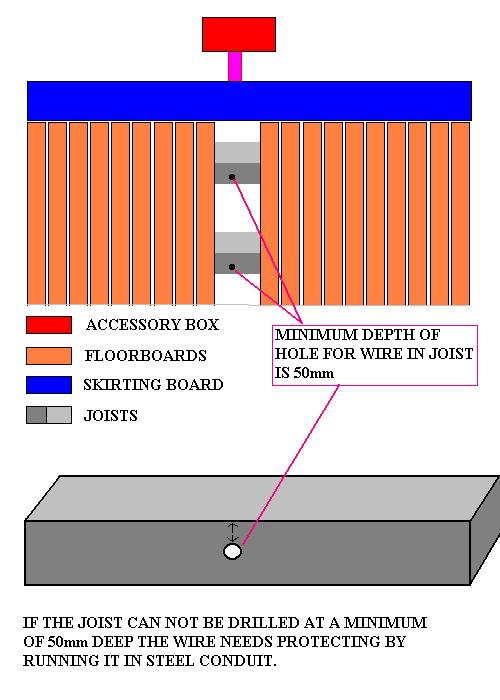
When running cable beneath wooden floors the cable must run through joists at a minimum depth of 50mm from the surface of the joist and at least 50mm away from the ceiling or must be run inside of earthed steel conduit.
