 |
electrical back boxes |
Here you will find links to pages that show how to fit three different types of backbox for the plastic pattress , the metal backbox or the dry lining backbox
| Before working on any electrical circuit you must ensure that it is isolated correctly and cannot accidentally be switched back on. Please read the article on safe isolation procedures before doing any electrical work. If you are not 100% certain what you are doing call a qualified electrician. Building regulations are changing all the time and modifying your home electrics could be against new rules and could invalidate your home insurance, if in doubt check first! |
Here are instructions on how to use three of the most common types of electrical accessory back boxes-
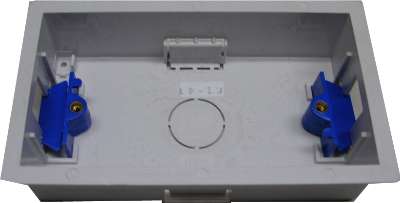 |
Dry Lining back box
These accessory back boxes are used for fitting into plasterboard and are fast and easy to fit. |
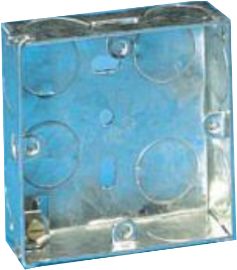 |
Metal Galvanised back boxes |
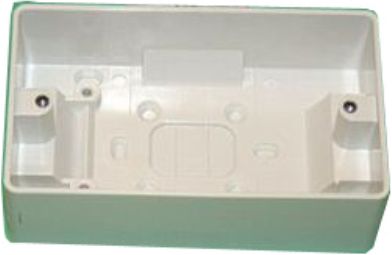 |
Surface Mounted Patress
Probably the easiest of all back boxes to use, but prone to impact damage! |
|
|
|
|---|