


An electrical shower is one of the largest consumers of electricity in the home and no diversity is allowed when calculating the current usage of the appliance. Due to the new electrical rules installing an electric shower is probably best done by a professional electrician, although it is still possible. Please read here for more information regarding DIY electrics and the law .
| Before working on any electrical circuit you must ensure that it is isolated correctly and cannot accidentally be switched back on. Please read the article on safe isolation procedures before doing any electrical work. If you are not 100% certain what you are doing call a qualified electrician. Building regulations are changing all the time and modifying your home electrics could be against new rules and could invalidate your home insurance, if in doubt check first! |
Electric showers are a very economical way of washing, the amount of water used is about a third of that used by having a bath and the shower only heats the correct amount of water so there is no heating of water that you will not use. If you have a combination boiler you are much better off with a thermostatic mixer rather than a electric shower but if you have a back boiler or similar a electric shower is often a sensible choice. An electric shower will normally be fitted above an existing bath, you must ensure that the bath is sealed correctly or you will soon have water in the rooms below. Fitting the shower is relatively easy although it is recommended that you get a qualified electrician to wire it up to the electricity supply, you can wire up the shower yourself but you must first check the new electrical rules. Wiring a shower would require that the local authorities building control department are notified before you start the work. It is vitally important that electric showers are connected to a RCD, if you have a split way consumer unit this is easy but if you have a normal consumer unit or fuse board fitting a RCD will be expensive as you will need an electrician to fit the RCD! It is also recommended that you have an electrician check the circuit and connect the shower at the consumer unit. A dedicated shower unit can be installed near the consumer unit that comprises of a MCB and also an RCD, which is perfect for an electrical shower installation.

This is the installed shower after the bathroom was tiled
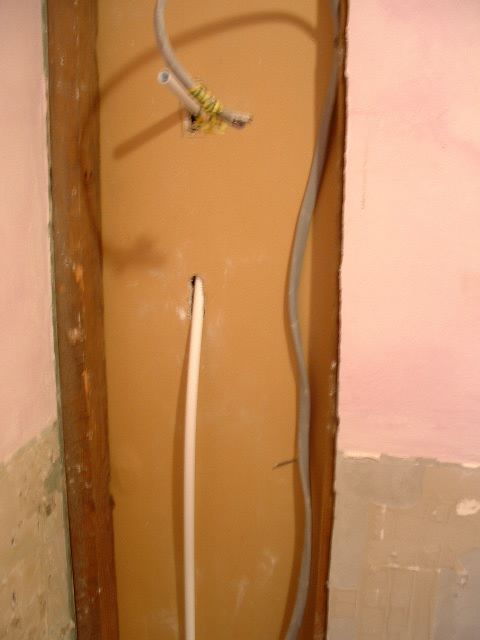
After finding a suitable location for the shower you need plan a route for the water pipe, in the example below the shower is being located on the side of an old airing cupboard which has plenty of space and access for the pipe and the cable.
Here I have removed the old plasterboard to enable the pipe to be fed to the required point where the shower will eventually be positioned. Note how I have made two holes for the pipe, this is so that an isolating valve could be situated inside of the cupboard, then servicing the shower is easier, sometimes the shower manufacturers insist on this or the guarantee is invalidated.
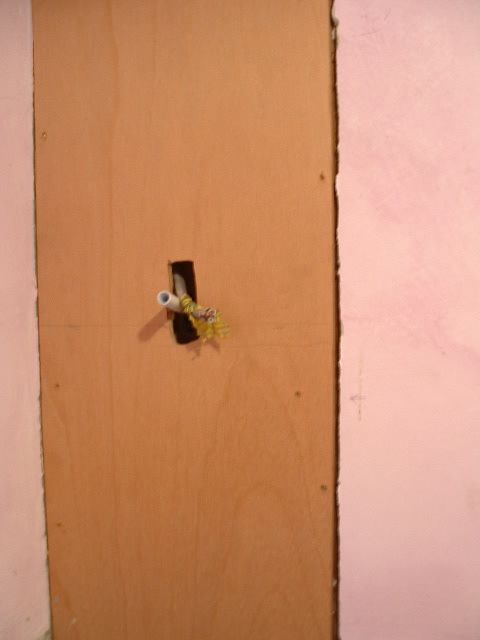
Then I have inserted some extra noggins to strengthen the frame and fixed 1/2 inch exterior plywood to the frame to make fastening the shower unit and riser rail. This will be tiled completely so will not be seen.
If you are not 100% sure what you are doing then you should not attempt to install the shower yourself and a electrician should be employed to do the installation for you.
As stated above an electric shower is a large consumer of electricity and so requires it's own circuit and own MCB or fuse, there are several rules that you must follow when installing a circuit for a electric shower. Installing a new shower circuit is now covered by Part P and so you can still do the work your self as long as you inform building control first and get it inspected, or you can get a qualified electrician to install and test it for you. If you are simply changing an existing shower with a like for like unit then you do not need to inform Building control. All metal pipes in the bathroom may need bonding- Supplementary equipotential bonding The cables need running in the permitted zones. The cable must be the correct thickness for the shower, this will depend on the rating of the shower in KW and the distance from the consumer unit to the shower. I normally use 10mm2 as this is suitable in most cases, but you will have to find out which cable you need from a qualified electrician.
The shower must be connected to a RCD. A RCD constantly measures the difference between Live and Neutral and disconnects the supply as soon as a fault occurs. If you have a modern consumer unit you can fit a RCBO which is a combined MCB and RCD in one unit. A shower circuit must have a double pole isolator switch ( disconnects both live and neutral ) that cannot be operated by someone that is using the shower, if your bathroom is small this may mean installing this switch outside of the bathroom. If you have a large bathroom and wish to install the switch in there it must be of a pull cord type that will normally be located on the ceiling. When routing the cable it should have a route separate from other cables, it should not pass through insulation or thermal plasterboard, if this is unavoidable use 10mm2 cable even on a small run.
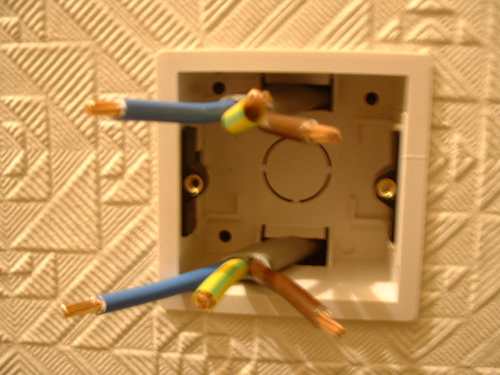
You can make it easy on yourself by feeding the wire into the back box of the double pole switch so that the wires are in the correct place. Here you can see that the two Lives and two neutral wires are in line ready for connecting to the double pole switch. This switch is located outside of the bathroom, it may be necessary for you to use a ceiling mounted one, with a pull cord.
The double pole switch needs to be of the correct amperage for the load of the shower, there is no harm in using a higher amperage switch but never use a lower amperage switch! The switch should also incorporate a indicator so that it is obvious when the shower is switched on or off, if the switch is a ceiling mounted pull cord switch then it should also have a mechanical on / Off indicator.
Double pole switches are marked up on the reverse, so that you know which wires go where. Some of these can be confusing and are labelled up feed and load, some are labelled up supply and load and others that are more sensibly designed say In and Out!
| From Consumer Unit | To the Shower |
| IN | OUT |
| FEED | LOAD |
| SUPPLY | LOAD |

1. Cable entry point
2. Cable clamp
3. Earthing terminal
4. Connector Block The wire enters the shower through the cable entry point (1)
The wire is then stripped sufficiently for the Neutral and Live wires to be joined to the connector block (4)
The most important connection is the earth, this wire is normally bare and needs sleeving with green and yellow sleeving. The earth wire is fastened securely to the earthing terminal (3), this is normally done with a nut. The cord grip should be tightened(2) so that it grips the wire and prevents it from being removed from the shower. The connections that you make at the consumer unit depend on which type of consumer unit that you have. The shower must be connected to a RCD as this is a great safety device and is money well spent.
